
Waitlist Message Templates That Convert More Signups
Discover waitlist message templates that confirm signups, set expectations, and convert more subscribers into buyers with proven email sequences.

Justin Britten
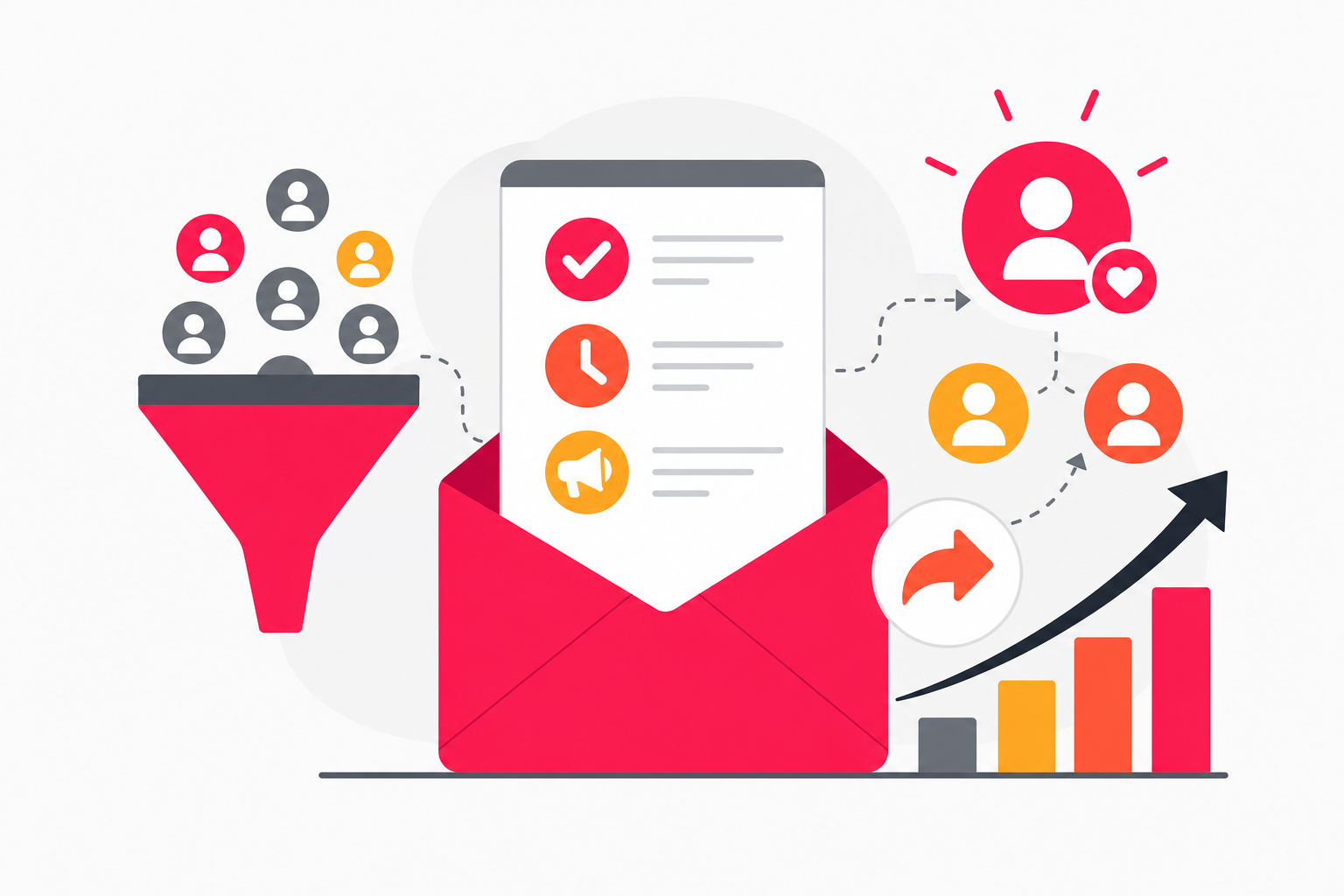
A strong waitlist message confirms the signup, sets expectations, and gives the reader a reason to share. The best-performing sequences combine a high-open welcome email, a nurture drip, and a launch-day broadcast. Welcome emails alone average an 83.63% open rate, and automated email sequences generate 1,675% higher conversion rates than one-time broadcast campaigns. The templates below give you copy you can use today.
What Makes a Waitlist Message Actually Convert?
Three elements separate a high-converting waitlist message from one that gets ignored: a clear confirmation, a specific expectation, and a share prompt.
The confirmation tells the reader their spot is secured. The expectation tells them what happens next and when. The share prompt gives them a reason to act before launch day.
Most email-based waitlists convert only 1 to 3% of subscribers into buyers. That gap between signups and revenue usually comes down to message quality, not audience size. Automated triggered emails produce 52% higher open rates than standard broadcasts, which means a well-timed sequence compounds the effect of good copy.
The sections below walk you through a welcome email, a nurture email, and a launch-day broadcast, each with a copy-ready template.
Waitlist Message Sample: The Welcome Email
The welcome email is your highest-open message, so structure it around three parts: educational content that reinforces why the product matters, a brief behind-the-scenes detail that builds trust, and a share prompt that starts your referral loop.
If you want the referral loop to run automatically, waitlist software can assign each signup a unique link and track queue movement without manual work.
Here is a copy-ready template:
Subject: You're in, here's what happens next
**Hey [First Name], **
You're on the [Product Name] waitlist. [2–3 sentences on the core problem you solve and the outcome the reader can expect. Keep this factual and specific.]
We're currently [brief behind-the-scenes detail, e.g., "in closed beta with a small group of testers"]. You'll hear from us every two weeks with updates.
Want to move up the queue? Share your personal invite link below and skip ahead for every friend who joins.
[Your referral link]
Talk soon,
[Your name]
For more copy-ready formats, see 10 Proven Startup Waitlist Templates That Drive Conversions (With Examples).
Waitlist Message Example: Nurture and Launch Emails
Nurture and launch emails build on the welcome message to drive purchase intent. Automated sequences generate 1,675% higher conversion rates than single broadcasts, so the goal is to keep subscribers warm between signup and launch, not to blast them once the product ships.
Nurture email (send 7 to 14 days after signup)
Subject: A quick update from the [Product Name] team
**Hey [First Name], **
Quick update: [one concrete milestone, e.g., "we just crossed 500 signups" or "we shipped the feature you asked for most"]. Here's a short look at [one specific thing you built or learned].
You're still in the queue. Your referral link is below, each friend who joins moves you closer to the front.
[Your referral link]
[Your name]
Launch-day broadcast
Subject: [Product Name] is live, your early access is ready
**Hey [First Name], **
We're live. Go here to claim your access: [link]
Early supporters get [specific benefit, e.g., "priority onboarding this week"]. This offer closes [specific date].
See you inside,
[Your name]
Keep the launch email short. Subscribers already know the product; they need a clear link and a deadline, not another pitch. For a full sequence structure, see How to Create a Product Launch Email Drip Series for a Successful Pre Launch.
Email vs. Chat/DM Waitlists: Which Channel Converts Better?
Email is the stronger default for most product waitlists. Automated triggered emails produce 52% higher open rates than broadcast campaigns, and that advantage is hard to match through chat or direct message channels alone.
Chat and DM-based waitlists work well for audiences already active on platforms like Instagram or WhatsApp, but they add platform dependency and make analytics harder to track [S3].
Referral Mechanics and Capacity Controls That Grow Your Waitlist
Adding a referral prompt to every message is the fastest way to grow a waitlist without paid acquisition. Here is a practical checklist:
- Add a referral link to every email. Welcome, nurture, and launch messages should all include the subscriber's unique link.
- Set a capacity trigger that switches your signup form to waitlist mode once you hit your target number, so you never over-promise availability.
- Tie rewards to queue position, not just a generic prize. "Move up 5 spots for each friend who joins" outperforms "enter to win" because the benefit is immediate and visible.
- Add an anti-spam check to your referral form. Require email verification before a referral counts, so one person cannot game the queue with fake addresses.
- Send a referral milestone nudge in your nurture sequence, for example, "You're 2 referrals away from moving to the front of the queue."
Prefinery is a pre-launch waitlist platform that automates referral link assignment, queue movement, and milestone notifications so you can run this loop without building it manually. Plans start at $49 per month.
FAQs
How do I politely send a follow-up email to a waitlist?
Send a short nurture email 7 to 14 days after the welcome message. Reference one concrete update, such as a milestone you hit or a feature you shipped. Remind the subscriber their spot is still held and include their referral link. Keep the tone conversational and the email under 150 words. Avoid sending more than one email per week before launch.
What is a good waitlist conversion rate to aim for?
Industry data puts the typical email-based waitlist conversion at 1 to 3% of subscribers into buyers. A high-performing waitlist can reach 5 to 15% within the first 30 days post-launch. The gap between those ranges usually comes down to message quality, referral mechanics, and how well the sequence stays warm between signup and launch day.
What are some popular waitlist platforms?
Prefinery is built specifically for pre-launch campaigns, with referral link automation, queue management, and analytics. Waitlister is a no-code option that includes landing pages, referral programs, and email automation for managing pre-launch audiences, per waitlister.me.
How long should a waitlist nurture sequence run before launch?
Plan for at least four to six weeks of nurture emails before launch. Send the welcome email immediately, follow up at the one-week and two-week marks with product updates or milestones, then increase frequency to every few days in the final week. The goal is to keep subscribers warm without fatiguing them before the launch broadcast arrives.
What does it mean to be on a waitlist?
A waitlist holds your place in line for access to a product, service, or program before it is fully available. For product launches, it means you signed up before the product shipped and will receive early access or a notification when it opens.
Conclusion
A waitlist message works when it confirms the signup, tells the reader what to expect, and gives them a concrete reason to share. The three-email sequence (welcome, nurture, launch) outperforms a single broadcast because it keeps subscribers engaged across the weeks between signup and launch day.
Start with the welcome email template above and add your product-specific details. Then set up a referral link in that first message so the growth loop starts from day one. Review your open rates after the first 30 days and adjust the nurture cadence based on what you see.